YLR · YLS · YLPN · YLPM - 100 W to 30 kW Fiber Laser Modules

The Fiber Laser Source, Engineered End-to-End.

YLR single-mode. YLS kW-class multi-mode. YLPN pulsed. YLPM MOPA marking. One vertically integrated architecture specified at rated power, verified at serial level, and documented for OEM integration.

Inside the Source →

Serial-level burn-in data · ISO 11146 beam reports · IEC 60825 risk files

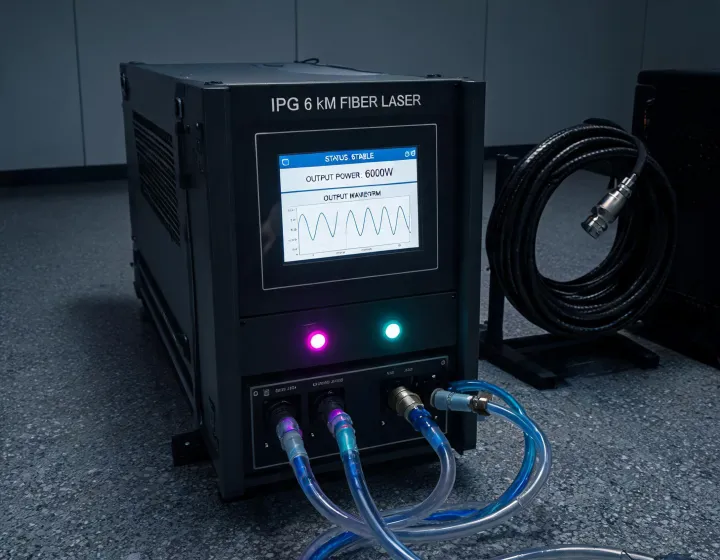
IPG fiber laser source module in photonics integration lab
  • Yb fiber coil
  • Pump diode stack
  • Beam profiler screen
  • Delivery fiber connector
Specification Control

Fiber Laser Source Specifications - IPG Platform

Download source specification pack →
Optical Output
Power range
100 W to 30 kW across pulsed, CW, QCW, and MOPA families
Single-mode beam quality
M2 < 1.1 target on YLR-class modules with serial beam profile report
Power stability
< +/-1% after warm-up under controlled cooling conditions
Wavelength family
Yb-fiber 1060-1080 nm architecture for industrial metal processing
Electrical and Cooling
Wall-plug efficiency
38-42% typical on current kW-class CW configurations
Cooling interface
Closed-loop water cooling with monitored flow, temperature, and pressure interlock
Control ports
Digital I/O, analog power command, Ethernet service interface, optional fieldbus bridge
Protection logic
Back-reflection, temperature, cover, fiber, and emergency-stop interlocks
Integration
Process fit
Cutting, welding, cleaning, marking, drilling, texturing, and OEM embedded heat source
Delivery fiber
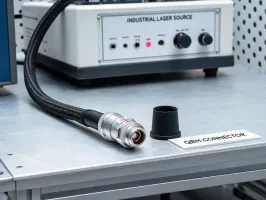
QBH/QCS connector options with application-dependent core diameter
Documentation
FAT record, IEC 60825 support file, interface map, and beam quality report
Support regions
Applications engineering in North America, EMEA, and Asia-Pacific
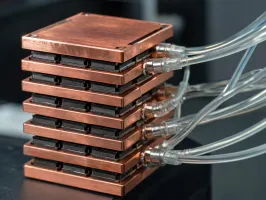
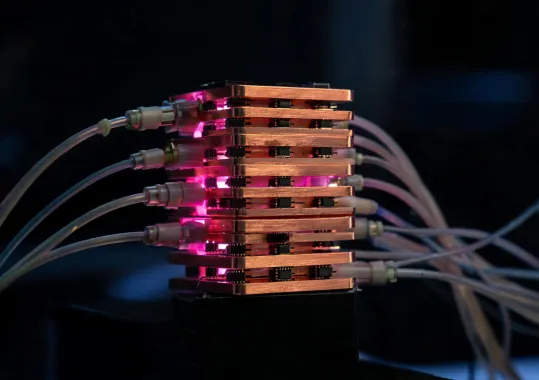
Pump diode stack inside fiber laser source

Diode-to-Fiber Manufacturing Control

IPG controls pump diodes, active fiber, Bragg grating resonators, combiners, and delivery interfaces. That vertical ownership keeps tolerance chains visible instead of hidden behind purchased subassemblies.

  • Serial-level burn-in record
  • Batch beam profile archived
  • Traceable photonic stack
Review source architecture →
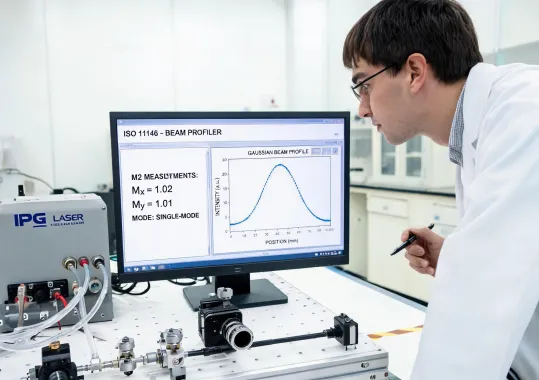
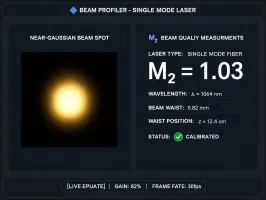
Beam profiler verifying fiber laser output

Beam Quality Verified Before Shipment

Single-mode and multi-mode sources ship with measurement discipline suitable for machine builders who must defend cut edge quality, weld penetration, or marking contrast during acceptance testing.

  • M2 target below 1.1 on single-mode modules
  • Full-power stability checks
  • Repeatable alignment documentation
Schedule FAT criteria review →
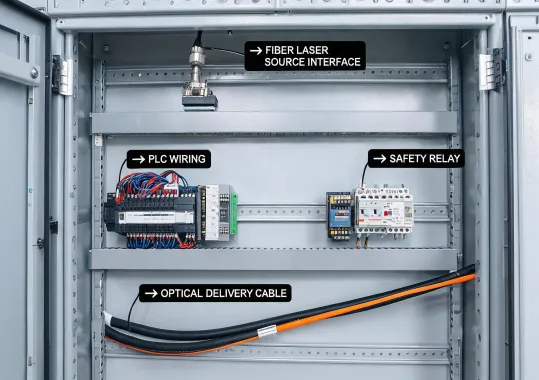
OEM control cabinet with fiber laser interface

OEM-Ready Interface Discipline

For integrators, source selection is only useful when the control map, interlocks, chiller behavior, and service access are clear. IPG packages application data around the machine builder's acceptance path.

  • PLC and safety interlock review
  • Delivery fiber and optics matching
  • FAT and SAT documentation support
Send an integration brief →
30+years of Yb-fiber focus
42%wall-plug efficiency in kW class
500,000+modules shipped to date
60+countries with installed base
Engineering Questions

Frequently Asked by Laser System Integrators

YLS CW sources are typical for kW cutting and welding cells, YLR single-mode modules suit fine processing and scientific-grade beam delivery, and YLPN or YLPM pulsed MOPA families support marking, texturing, and controlled heat input.

Provide material, thickness, duty cycle, target spot size, controller type, chiller constraints, and expected acceptance tests. With those inputs, an applications engineer can narrow power class, beam delivery, and optics stack.

Most OEM integrations use discrete I/O plus analog or digital power command, with optional fieldbus mapping through the machine controller. Safety interlocks remain hard-wired and documented in the risk file.

Cooling is sized from optical output, duty cycle, ambient temperature, hose length, and chiller setpoint. kW-class sources require stable flow and temperature control because output stability follows thermal discipline.

Typical packs include interface drawings, FAT template, beam quality report, compliance declarations, service instructions, and application notes for beam delivery, back-reflection management, and safety enclosure planning.

Downloads

Engineer-to-engineer review of your laser source requirement

Send material, thickness, throughput, optics stack, and controller platform. IPG applications engineering will respond with a source class, delivery fiber concept, and FAT outline.

Compare Laser Source Families →